It’ll be a rock show in the sky.
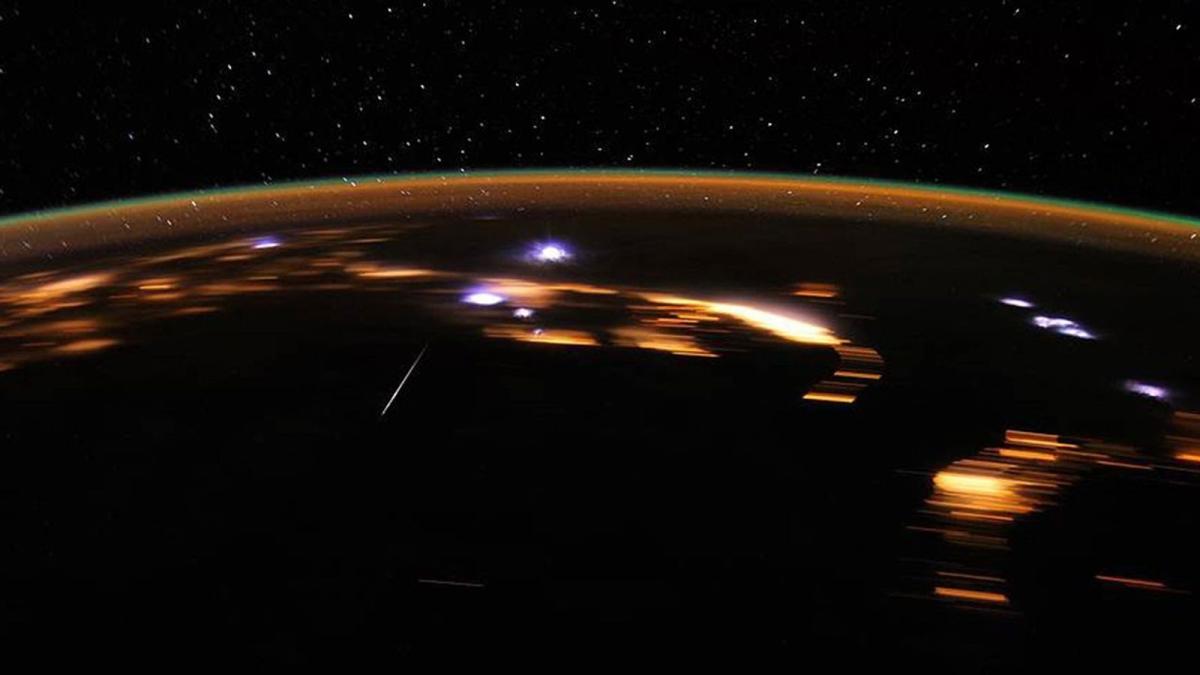
The much-anticipated annual Lyrid meteor shower returns this week, offering stargazers the opportunity to see as many as 10-20 shooting stars grace the moonless night skies.
While this celestial fireworks display has been going on since April 16, it will peak on Wednesday, April 22 and early the following morning.
The Lyrids are one of the oldest recorded meteor showers with sightings dating back a staggering 2,500 years, NBC New York reported.
Like with most, the Lyrids are actually debris from a comet — in this case, an icy snowball known as Thatcher, which last entered our solar system in 1861.
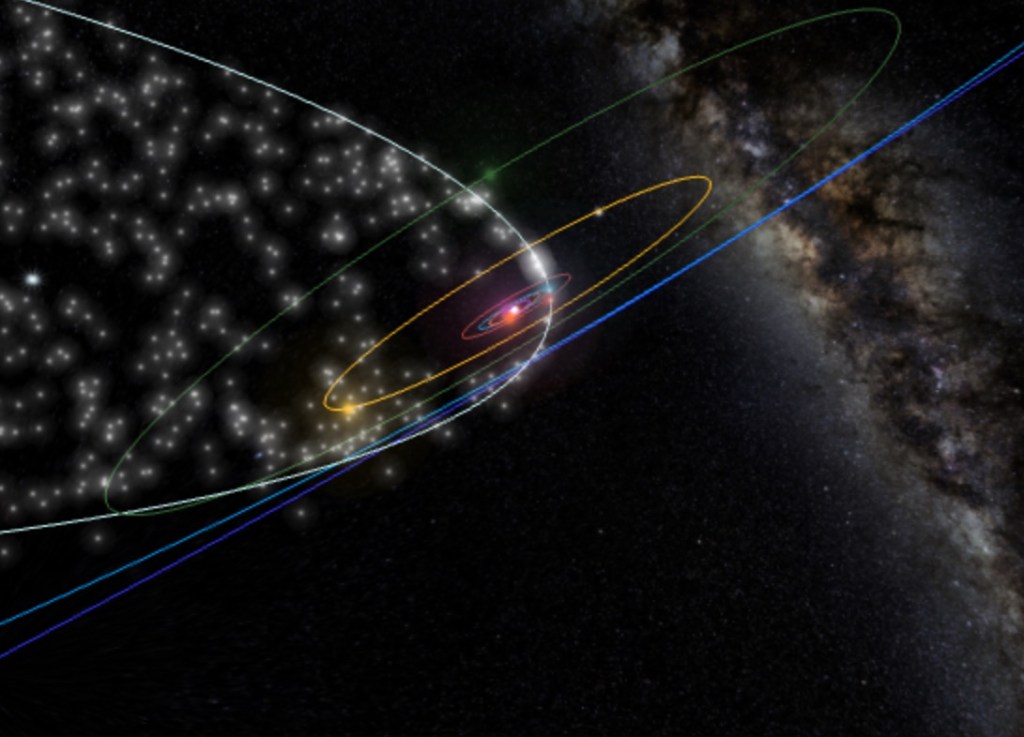
The Earth will pass through the rocks left in the heavenly hailstone’s wake, causing them to burn up as they enter our atmosphere, creating the fiery streaks known as shooting stars.
“We only get to see the actual comet once every 415 years,” Maria Valdes, a meteorite researcher who works at the School of the Art Institute of Chicago, told NBC New York. “But we pass through the grains that have been left in its wake every year around the same time.”
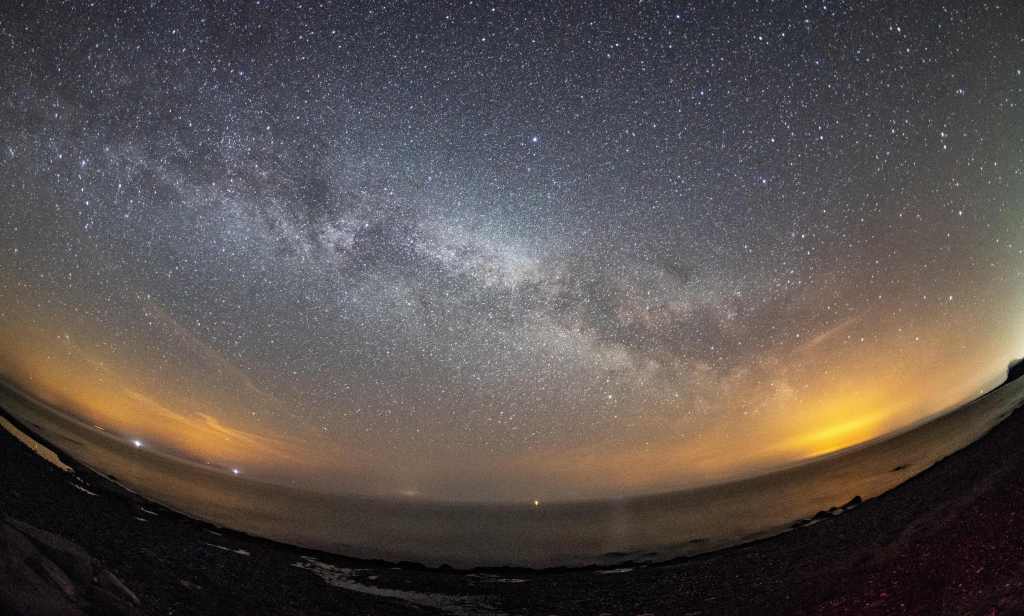
However, this spectacle will be more stunning than in years past due to the dim crescent moon, which will make these interstellar streakers especially visible.
Although not as intense as other meteor showers, the Lyrids are known for their quick and luminous “fireballs.” The best views will be in the Northern Hemisphere.
How to watch
For optimal viewing, skywatchers are urged to go to a good vantage point away from tall buildings and city lights.
It may take up to 30 minutes for your eyes to acclimate to the night sky so meteor hunters should avoid looking at their phones, which can delay the adjustment process.
Pull up a lounge chair or sleeping bag and wait for the cosmic fireworks.
These meteors will appear to emanate from the constellation Lyra in the Northeastern Sky, fanning out in each direction at up to 18 mph, per the Guardian.
In addition to be bright and fast, meteors sometimes leave smoky streaks in the sky.
The next major shower won’t occur until May, when our skies will be ignited by the Eta Aquarids — shrapnel from Halley’s comet.