Ben Bernanke’s Fed pulled off a miracle during the financial crisis of 2008 and 2009. What might Kevin Warsh be forced to pull out of his hat as the central bank’s new boss?
On one level, those perilous years dwarfed any crisis that’s in the foreseeable future for the Federal Reserve. To address it, Bernanke with the help of others (then-NY Fed chief Tim Geithner and later Obama Treasury secretary among the most prominent) deployed drastic moves that remain controversial today: slashing rates to zero, injecting massive liquidity into an overextended banking system, bailing out AIG while giving the cold shoulder to Lehman Brothers.
We can debate Bernanke’s methods and their success all day. Did he rescue some banks that should have gone belly up because, hey, that’s how free markets work? Or was his real mistake consigning Lehman to the dustbin of history? Did his money-printing spree sow the seeds for eventual rampant inflation and create a bubble in financial assets?
What is less debatable is that Bernanke had a mandate for what he did: Save us from a second Great Depression — and do whatever it takes to make it happen. His “Quantitative Easing” — printing money to protect the banking system from a 1930s-style collapse — was among the unconventional results.
No consensus on cuts
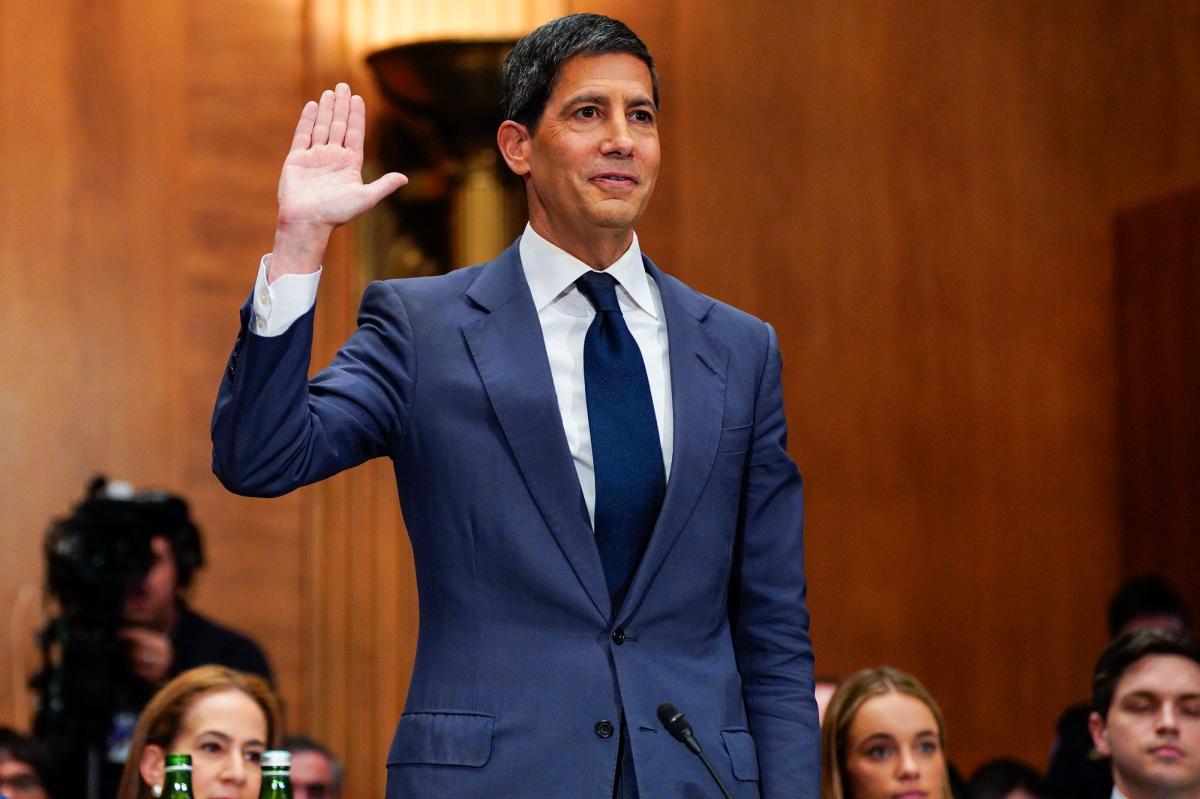
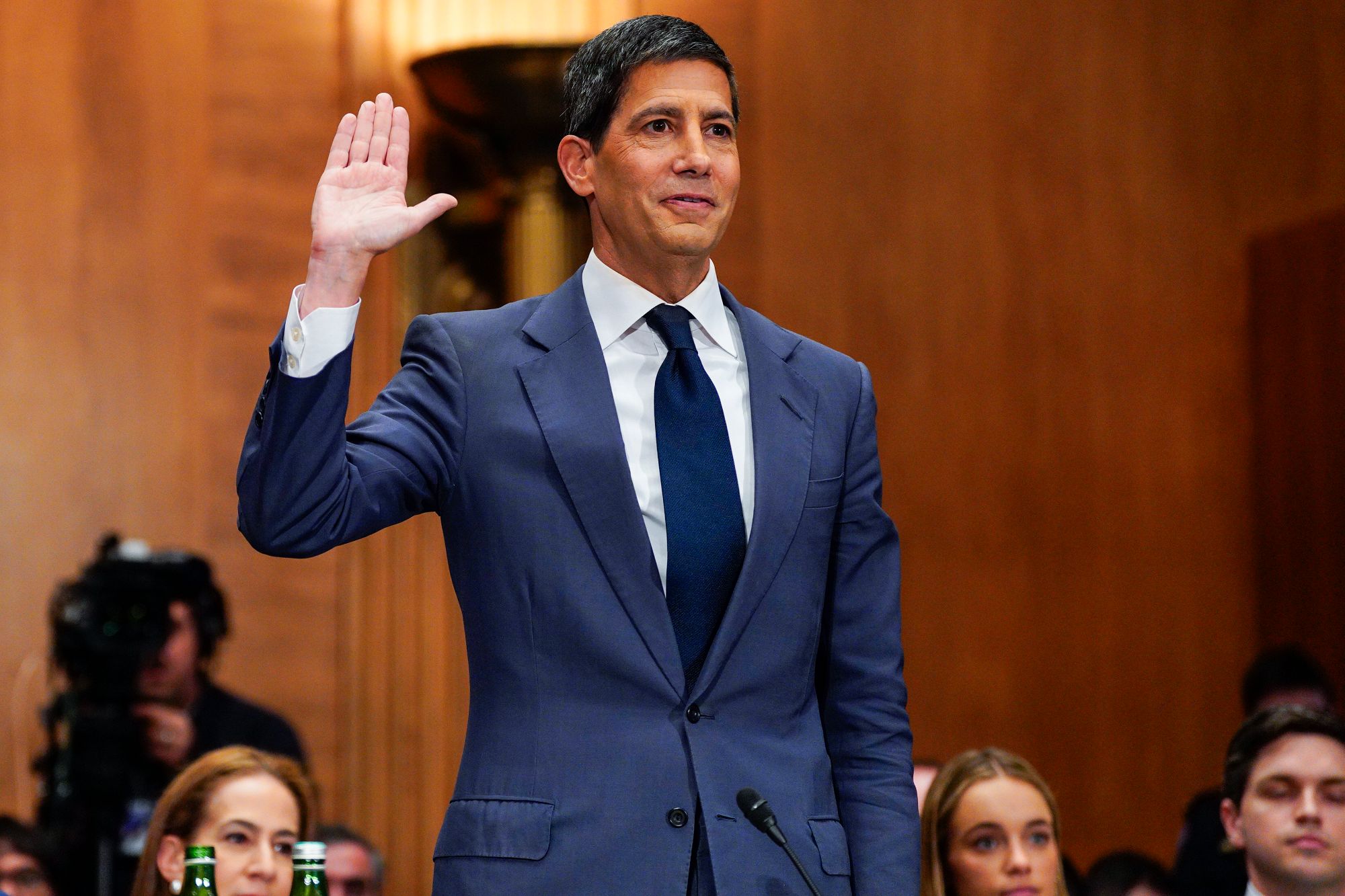
As he begins his term as Fed chairman this week, Warsh finds himself in a starkly different world. Where Bernanke printed money for years, Warsh has no consensus to even cut short-term interest rates as President Trump, who appointed him, is now demanding.
Meanwhile, the Fed’s policy board that sets interest rates — the powerful Open Market Committee — is no longer a monolith of consensus. Jerome Powell, the man he’s replacing and a Trump antagonist, will continue to vote on interest rates as a governor, as is his right even if it defies custom. Powell says he’s going nowhere until the inquiry into his Senate testimony about the cost of the Fed’s new headquarters — a probe that Trump initiated and which held up Warsh’s confirmation — is put to rest.
Talk to any Fed watcher and they will tell you it’s payback time for Trump over all his alleged harassment of Powell even if what began as a criminal investigation by the DOJ is now in the hands of the Fed inspector general and seemingly going nowhere. Recall all the mean tweets Trump dished out to “Too Late” Powell, calling him a “numbskull,” a “knucklehead” and worse as the president prodded him to slash rates.
Warsh’s interest rate policy is at the heart of his uncertain future. Yes, he would love to cut rates to appease Trump. But if you know Warsh, you know he’s an inflation hawk. After he left the Fed as governor in 2011 and became an academic, he took to editorial pages to attack the Bernanke-Yellen-Powell Fed’s “easy money” regime that persisted after the worst of the financial crisis had passed.
Instead, Warsh lobbied for a more “disciplined” policy that reined in the Fed’s balance sheet. The Fed’s excesses, he argued, paved the way for the inflationary pressures we have now. If Warsh had his druthers, he would cut short-term rates and begin to unwind the Fed’s holdings of bonds — which he believes are the biggest piece of solving the inflation puzzle.
The thing is, he probably can’t. Consumer prices just hit 3.8% annualized, the highest since May 2023, fueled by the Iran war and its effects on energy prices. Last week, wholesale prices rose even more. On Friday, futures markets began pricing in an interest rate hike by the end of the year, as opposed to the cut they spent the past year betting on.
On the positive side, the macroeconomic environment is strong; AI is creating a boom that could last when its productivity benefits are fully realized. Artificial intelligence is creating employment particularly in blue collar professions that are at the core of its build-out. Technological advancements cull some jobs, but if history is any guide, they produce many more.
Optimists note that the Iran war won’t last forever, and if and when it does end, that would mean lower energy prices and inflationary relief.
Doubters aplenty
But you can easily see how things can go sideways, too. AI’s job-creation prospects have its doubters, and they’re not all “panicans,” as the president likes to call them.
The Iran conflict is heading into its third month with a hostile regime speaking out of all sides of its mouth on the biggest issues, including the Strait of Hormuz and its nuke program. Who knows what $200-a-barrel oil would do to the US economy.
Recall the “stagflation” — inflation and an economic slowdown — the last time we had a major oil-price shock in the 1970s.
Warsh inherits all of the above and probably more that hasn’t even crossed our radar yet. He’s a smart guy and he’s as up for the task as anybody, but I wouldn’t want to be him.