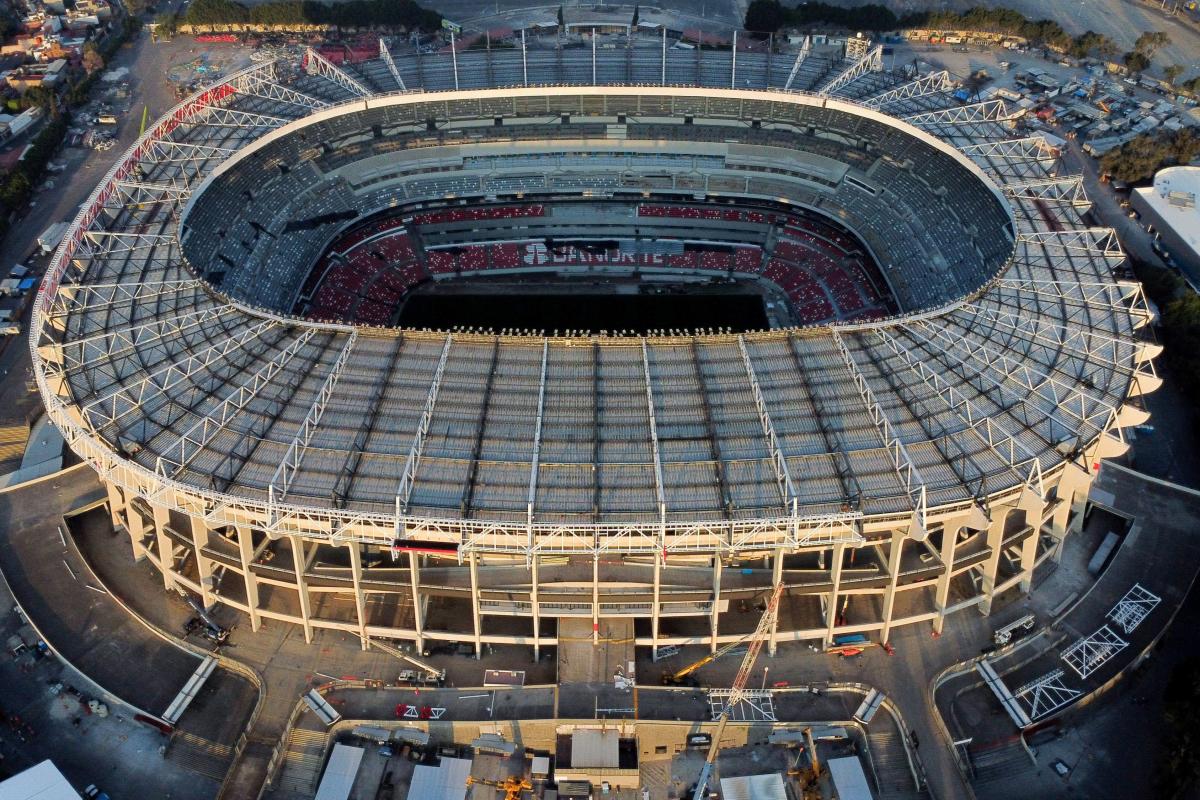
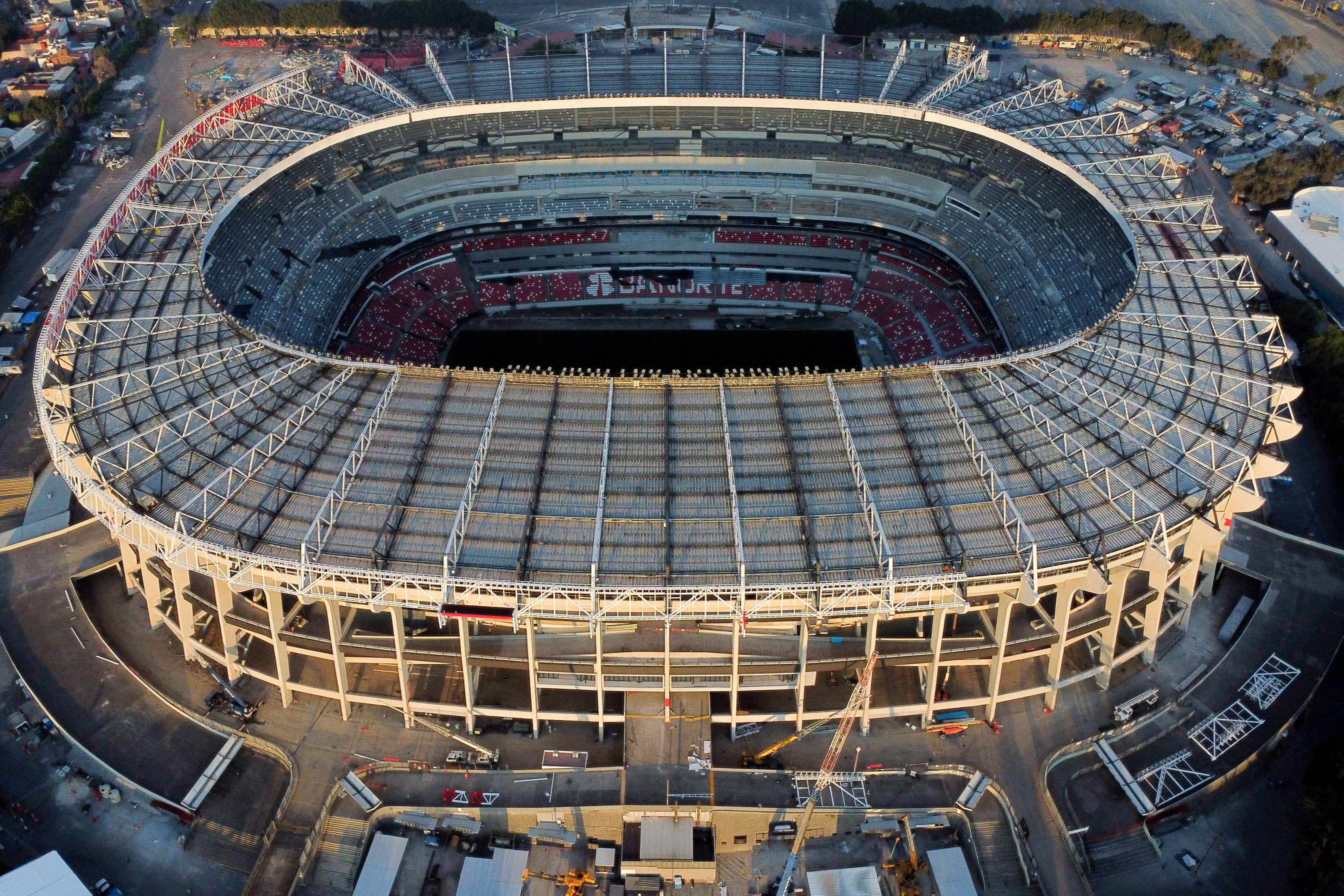
With 100 days to go until the tournament kicks off, appetite for tickets to the 2026 World Cup in the U.S., Mexico and Canada is reaching fever pitch, despite eye-watering prices that have fans crying foul amid global unrest following the U.S. attack on Iran.
In addition to the U.S.-Israeli strikes against Iran — a country scheduled to play its World Cup group stage games in the U.S. — the heavy-handed crackdowns by U.S. Immigration and Customs Enforcement personnel and the violence that erupted near host city Guadalajara after the death of Mexico’s most-wanted cartel leader are causing concern for fans.
“I’m afraid I might not be allowed into the country, I’ve decided to fly to Canada at most, but not to the USA,” German soccer fan Tom Roeder told Reuters.
“I hope that at least the issue of war with Iran does not reach North America. At least not in a way that affects us personally.”
FIFA has said nearly two million tickets were sold in the first two sales phases, with demand so intense that World Cup tickets were oversubscribed over 30 times.
“We’ll have seven million people in the stadiums … We had ticket demand for over 500 million tickets, whereby we only have six to seven million tickets for sale,” FIFA president Gianni Infantino said in a video marking 100 days until the start.
“But, to all the fans, don’t worry. We still have and we still keep some tickets for the last sales phase which will start in April (after the playoffs) – a kind of a last-minute sales phase.”
POLITICS OF HOSTING
Political and social tensions surrounding host nations are nothing new for the World Cup.
Mexico President Claudia Sheinbaum said there was “no risk” to fans coming to the country and Adrian Nunez Corte, leader of Unipes, a fans’ association in Spain, said it has not affected willingness to buy tickets.
“Obviously, it is causing concern, but some Spanish fans living in the area have helped to calm things down after the initial hours of alarm,” Corte said.
“There is no alarm regarding U.S. immigration policy but people are taking preparation of the necessary visas seriously to avoid problems, especially since some fans will be travelling between the U.S. and Mexico due to the match schedule.”
TICKET PRICES ARE A ‘MAJOR DRAWBACK’
The buzz around the tournament in North America is unprecedented.
“The demand for the 2026 World Cup in the USA, Canada and Mexico is the strongest I’ve ever experienced,” said Michael Edgley, director at Australia’s Green and Gold Army Travel.
“I think FIFA will make record amounts of money. There’s no question.
“This World Cup will be a massive financial success and the beneficiaries will be the member federations.”
But such popularity comes with a price.
Geography adds another layer of complexity as the tournament spans 16 host cities across three countries, making it more challenging and expensive for fans wanting to follow their teams.
“The price of tickets has been a major drawback, particularly affecting the number of matches each fan will attend, as well as the distances between venues and the costs involved,” said Corte.
SOARING SECONDARY TICKET MARKET
The sticker shock is even more pronounced this year, especially with a huge resale market where tickets are sold at above face value, which is legal in the United States and Canada.
FIFA defended the secondary market model.
“Unlike the entities behind profit-driven third-party ticket marketplaces, FIFA is a not-for-profit organisation,” a spokesperson said.
“Revenue generated from the FIFA World Cup 2026 ticket sales model is reinvested into the global development of football… FIFA expects to reinvest more than 90% of its budgeted investment for the 2023-2026 cycle back into the game.”
Mehdi Salem, vice-president of French football fans association Les Baroudeurs du Sport, said they are seeing more than a 200% increase on what they were told in 2018 by the French federation and by FIFA.
The pricing pain is so acute that Salem’s association, which boasts around 400 members, will have only 100 attend the tournament – a dramatic drop that he attributes to ticket prices and the political landscape in the United States.
“We feel like this World Cup will not really be a people’s World Cup, but rather an elitist World Cup,” Salem added.