The United States has also dropped 5,000-pound bombs onto underground bunkers, preventing the regime from accessing weapons in its reserves
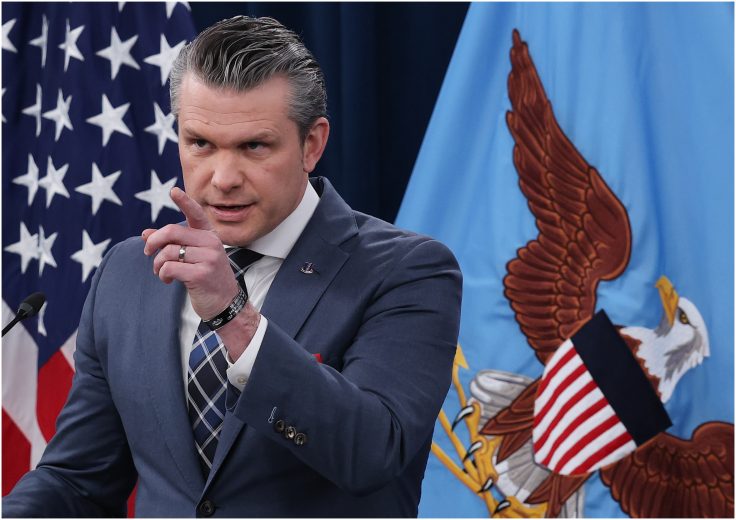
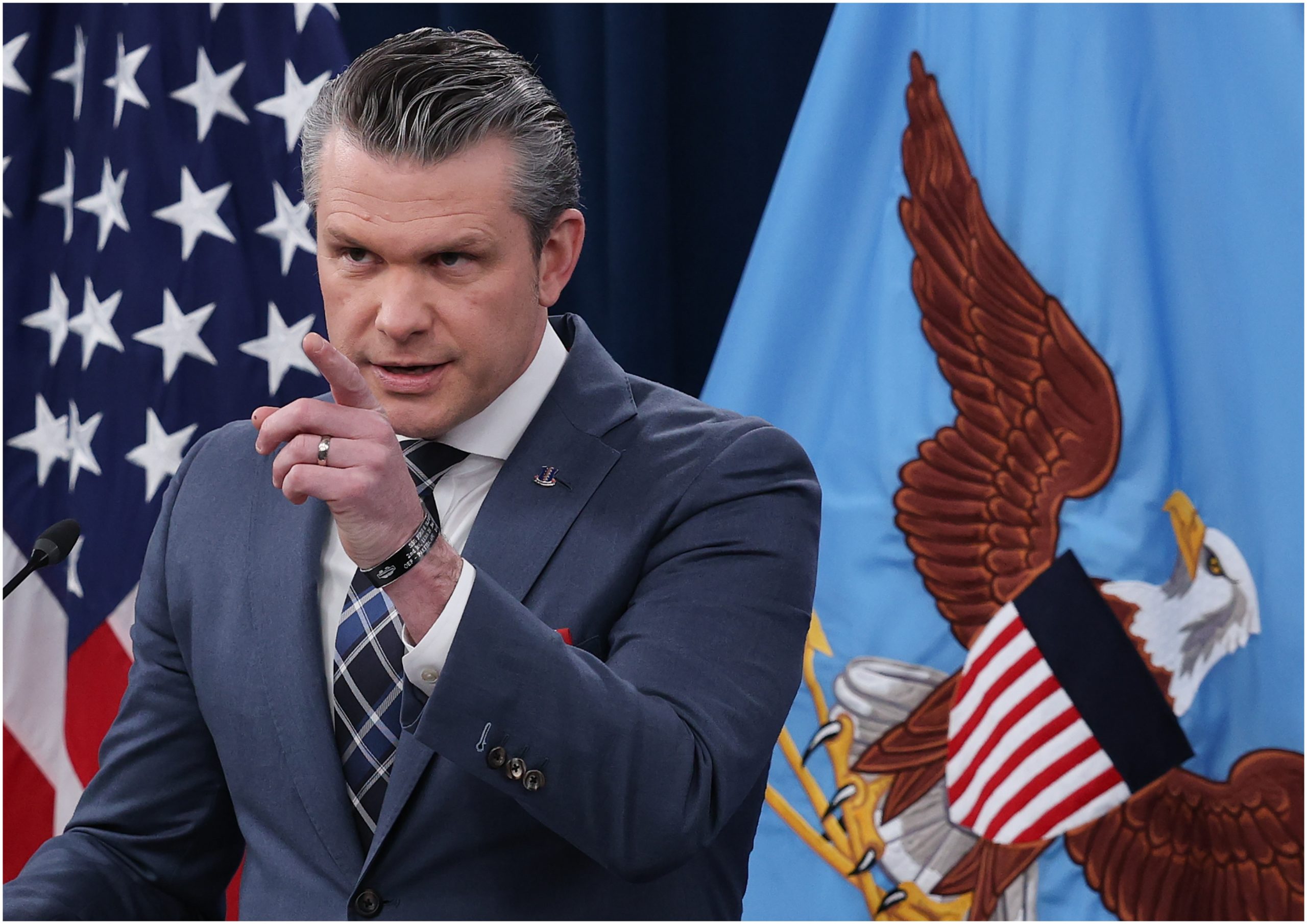
The U.S. military has sunk more than 120 Iranian naval vessels during Operation Epic Fury, Secretary of War Pete Hegseth said Tuesday, quipping, “We’ve decided to share the ocean with Iran. We’ve given them the bottom half.”
As the conflict enters its 20th day, much of Tehran’s sea power has been eradicated, Hegseth added during a morning press briefing at the Pentagon.
“We’ve damaged or sunk over 120 of their navy ships with battle damage assessments pending for many more,” Hegseth said, noting that the number of ships destroyed is likely to rise in the coming days. “Their surface fleet is no longer a factor. The submarines they once had, 11 are gone. Their military ports are crippled.”
The Islamic Republic had a submarine force of about 28 to 30 vessels before Operation Epic Fury began, according to the Nuclear Threat Initiative, meaning the U.S. strikes have taken out about a third of Tehran’s fleet.
Chairman of the Joint Chiefs of Staff Gen. Dan Caine, who spoke alongside Hegseth, said that at least 44 Iranian mine-laying vessels are out of commission, significantly diminishing Tehran’s ability to choke the critical Strait of Hormuz shipping lane.
The U.S. military dropped 5,000-pound penetrator weapons onto underground bunkers, preventing the regime from accessing weapons in its reserves. Those bombs fell “into underground storage facilities storing coastal defense cruise missiles and other support equipment,” Caine said.
“These weapons are bespokely designed to get through concrete and or rocks, and function after penetrating those barriers,” Caine explained. “We continue to hunt and kill mine storage facilities and naval ammunition depots.”
U.S. forces are “flying farther” into Iran every day as operations spread east, Caine said, “penetrating deeper into Iranian airspace to hunt and kill one-way attack garrisons,” referring to the drones Iran uses to overwhelm neighboring air defenses.
Along with the A-10 Warthog, the United States is using AH-64 Apache attack helicopters to strike Iran’s southern flank, as well as Iran-backed militia groups operating in Iraq.
“AH-64 Apaches have joined the fight on the southern flank, and they continue to work on the southern side, and that includes some of our allies who are using Apaches to handle one-way attack drones in Iraq,” Caine said. “AH-64s have been striking against Iranian-aligned militia groups to make sure that we suppress any threat in Iraq against us.”
The United States has bombed more than 7,000 targets across Iran in total since the war began, and Thursday’s fighting will include “the largest strike package yet,” according to Hegseth. “As I’ve said, from day one, our capabilities continue to build, Iran’s continue to degrade.”