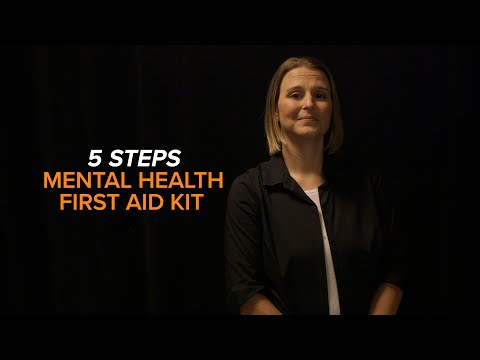
This is actually a tough post to write but because its the holidays mental health crisis issues in particular suicide are highest. There have been so much heartbreak in the news. First of all, I want to make it clear. I’m not a licensed therapist or psychiatrist. I’m passing information along that my daughter and I learned from the mental health first aid course we took last year and from the manual Mental Health First Aid USA.
In order to help someone who is having a mental health crisis an action plan is followed using the mnemonic ALGEE.
Mental Health First Aid Action Plan
AAction A-Assess for risk of suicide or harm.
Action L -Listen nonjudgmentally
Action G- Give reassurance and information
Action E- Encourage appropriate professional help
Action E – Encourage self-help and other support strategies.
I will briefly go through each letter of of ALGEE. The action plan isn’t always followed in order. I will also include a short video.
Action A – Access the risk of suicide or harm.
A person having a crisis may harm himself or herself by attempting suicide, engaging in self-injury. The person has very disturbing behavior and they may become aggressive or lose touch with reality.
It’s important that if someone is in danger of harming self or others the first aider must seek immediate professional help even if the person doesn’t want it.
These are just a few warning signs of suicide include suicidal thoughts. Expressing hopelessness. Feeling no reason for living, no sense of purpose in life.
Action L- Listen nonjudgmentally –
Someone who is having mental problems, may want an empathetic listener first before being offered helpful options and resourses. Some things to remember when offering a listening ear.
Ask questions that show you really care and restate what they are saying to check your understanding what’s being said.
Don’t be critical and say non helpful things like “Cheer up!”, ” You don’t really mean that”etc.
Be careful not to express frustration at the person especially if the person is being repetitive or speaking more slowly than usual.
G-Give reassurance and information.
Once the person with the mental health problem feels they have been heard, it will be easier to offer encouragement and information. Reassurance includes emotional support support such as empathizing with how the person feels and voicing hope. You can also offer practical help for tasks that may be overwhelming at the moment.
Action E- – Encourage appropriate professional help.
People with mental health problems will generally have a better recovery if they get appropriate professional help.
Encourage self-help and other support strategies
Encourage the person to seek self-help strategies like support from family, friends and others. People who have experienced mental health problems can be very helpful to a person trying to recover .
This post was very hard to write. I almost didn’t write it. I was tempted to go delete my previous post warning about this one. I feel like what I wrote is not helpful. I tried to pull as information from Mental Health First Aid USA as possible without overwhelming you all. I found myself walking away and taking breaks because I was getting overwhelmed. I have loved ones who have mental issues and have considered suicide. This post really came to close to home. When I was around 21, I considered suicide and even left clues like leaving the number for the suicide prevention number in places where people can see it but no one paid attention. I thank my Lord Jesus for saving me. I’m do grateful God has given me almost 65 years of life so far.
Please forgive any typos. I had a hard time going over what I typed.
Here is a short video sharing the five step action plan.