‘Our proposal affirms that uranium enrichment is a sovereign right,’ Iranian official tells Al Jazeera as US military buildup grows
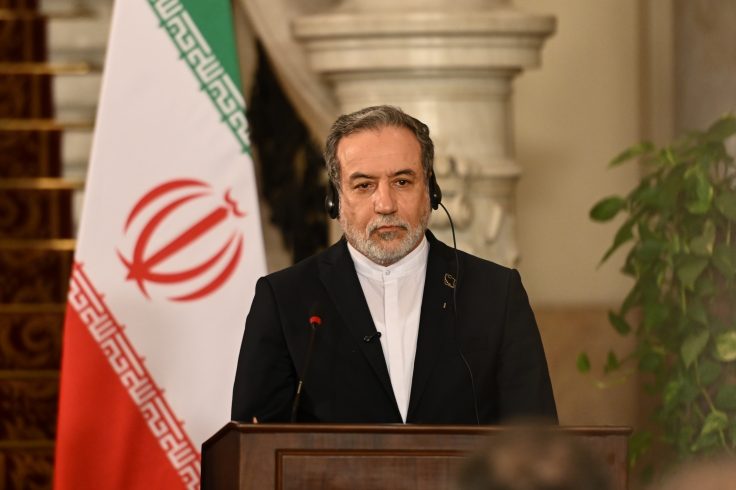
Iranian leaders on Thursday categorically ruled out entering any new deal that forces the country to dismantle its nuclear facilities, relinquish its uranium stockpiles, and stop enriching fissile material. Tehran’s rejection of these core U.S. demands threatens to stall diplomatic talks in Geneva as President Donald Trump weighs a strike on the Islamic Republic.
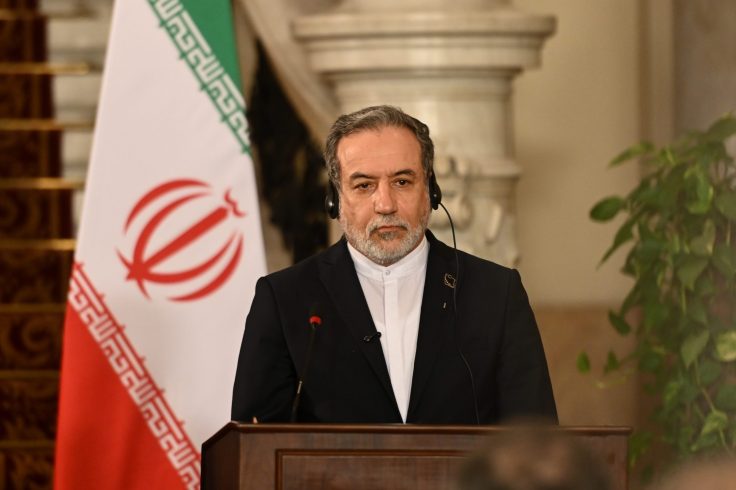
“Our proposal affirms that uranium enrichment is a sovereign right and proposes a temporary freeze on enrichment for a limited period,” an Iranian official told Al Jazeera. “The principle of zero uranium enrichment forever, dismantling of nuclear facilities and the transfer of uranium stockpiles is completely rejected.”
Tehran’s position is the same one it staked out in failed negotiations last year that concluded with June’s U.S.-Israeli military campaign. It remains to be seen whether the United States and Iran can bridge the sizable gaps during this round of talks, though Iran’s insistence on maintaining its nuclear program may increase the likelihood that Trump will authorize military action in the coming days or weeks. The president made clear during Tuesday night’s State of the Union address that he “will never allow the world’s number one sponsor of terror, which they are by far, to have a nuclear weapon.”
A sortie of American F-35 fighter jets is making its way to the Middle East, where the jets will join two aircraft carriers and an assortment of other military assets in the largest buildup in the region since the 2003 invasion of Iraq. The assets provide Trump with the ability to launch a limited strike on Iran’s remaining nuclear facilities or move forward with a larger operation that would target senior regime leaders and government infrastructure.
Iran reportedly sent a draft proposal to Trump administration mediators on Thursday afternoon during a third round of indirect talks in Switzerland. The plan “is designed to remove all American pretexts related to the nature of Iran’s nuclear activities,” according to Iranian state-controlled media. While specific details were not immediately available, Tehran said a failure to accept the terms would be seen “as confirmation of earlier suspicions about a lack of US seriousness and that Washington’s diplomatic posture is merely performative.”
White House envoy Steve Witkoff is adamant that Iran must halt uranium enrichment and scale back the production of ballistic missiles, which can be armed with a nuclear payload. Iran is reportedly open to a “temporary halt” in uranium production but will not end it entirely.
This position differs drastically from the American proposal, which calls for Iran to shutter its nuclear facilities, transfer enriched uranium to the United States, bring enrichment down to zero, and keep all of these restrictions in place permanently, according to the Wall Street Journal. The Trump administration is offering limited sanctions relief as a bargaining chip if these demands are accepted.
Omani foreign minister Badr Al-Busaidi, who is acting as an intermediary, expressed optimism over the talks, saying that both diplomatic teams expressed an “unprecedented openness to new and creative ideas and solutions.” He did not provide further details.
Witkoff and fellow negotiator Jared Kushner, on the other hand, were reportedly “disappointed” by the messages from their Iranian counterparts during discussions.
As the talks played out, Iran continued to threaten massive repercussions for a U.S.-led military operation on the country’s contested nuclear sites, which have been fortified and partially rebuilt in recent months. The United States and Israel also remain concerned that Iran is producing ballistic missiles armed with “chemical and biological capabilities,” weapons that would need to be neutralized in any attack.
Iranian Parliament speaker Mohammad Bagher Ghalibaf warned on Wednesday that American military actions will prompt a “remorseful response that would make any aggressor regret their malicious behavior.”
Support for regime change has built in Congress. Senate majority leader John Thune (R., S.D.) publicly backed the idea for the first time on Thursday, while other GOP leaders have floated it in recent months.
“In my view,” Thune said, “if you’re going to do something there, you better well make it about getting new leadership and regime change.”