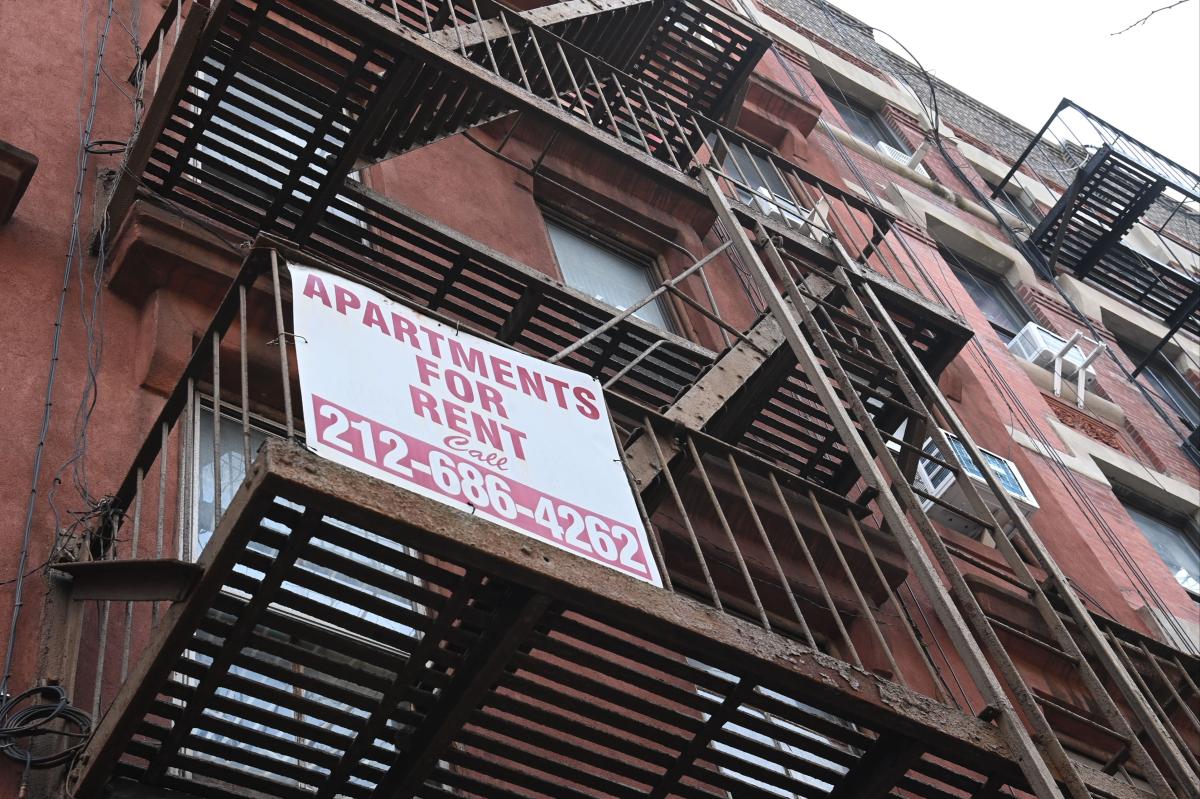
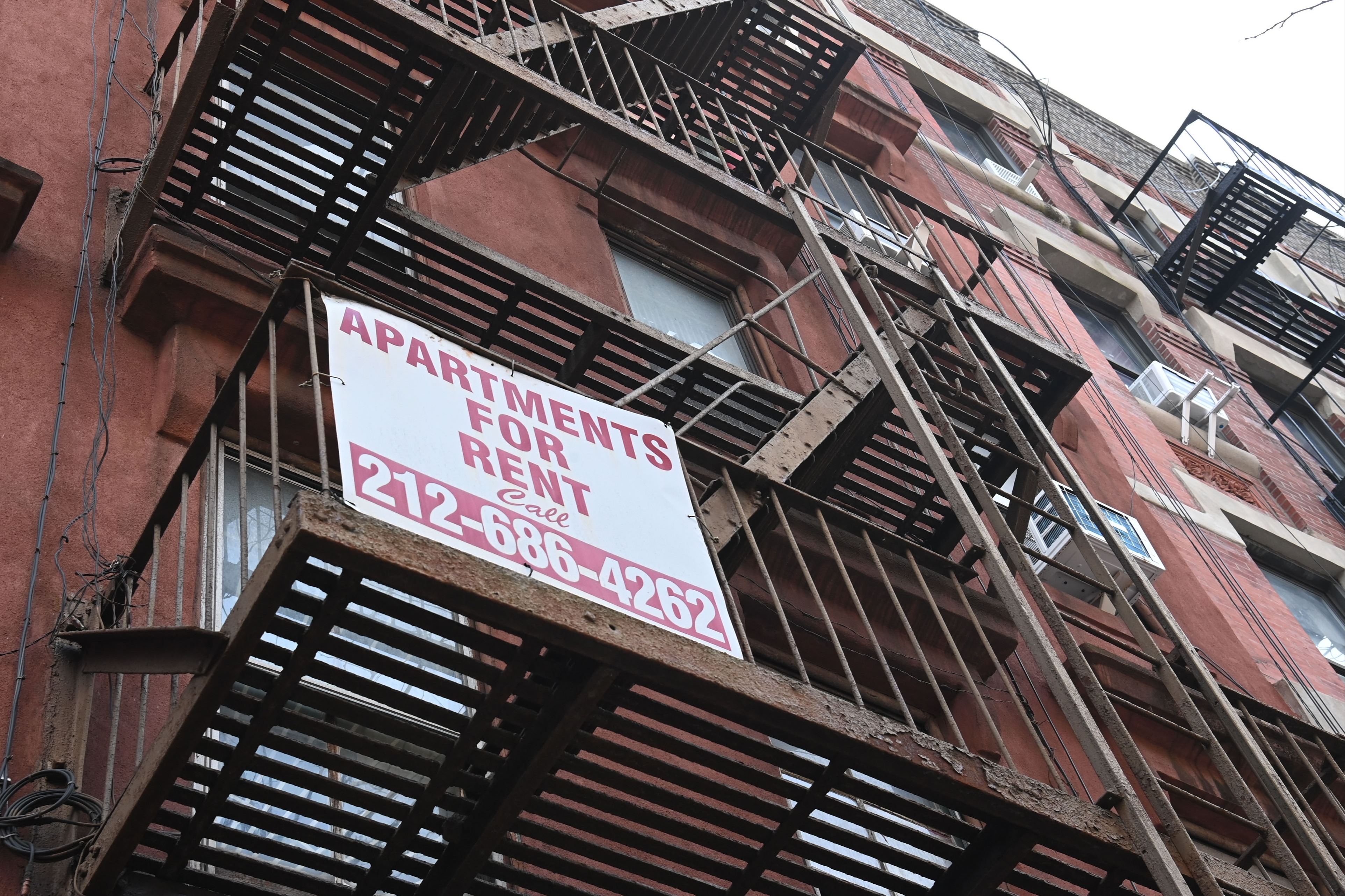
While pandemic-era low mortgage rates have paralyzed the housing market, a parallel renter “lock-in” effect is gripping the nation’s most expensive metros, as tenants in New York City and Los Angeles find it financially impossible to walk away from below-market leases.
Long-term renters—defined as households that remain in the same rental unit for at least five years—make up roughly 36% of all tenant households in the US, according to a new report from Realtor.com® analyzing the 2024 American Community Survey data across the 100 largest metros.
A typical long-term renting household is headed by a 55-year-old adult, living in a household of two people and two bedrooms, with a median household income of $48,500.
Although some long-term renters stay in place by choice, either because they crave stability or have a particular affinity for their neighborhood, for others, moving has become a financial impossibility.
“In high-cost markets where moving means surrendering a below-market lease for a unit that could cost hundreds of dollars more per month, the decision to stay is less about stability and more about survival,” says Realtor.com economist Jiayi Xu.
“Higher borrowing costs have pushed many renters out of the market, so they are staying renters longer than planned,” Nadia Evangelou, principal economist at the National Association of Realtors®, tells Realtor.com.
“At the same time, higher rents in recent years have made it harder to save for a down payment, reinforcing that cycle.
Perhaps unsurprisingly, the largest concentrations of long-term tenants are found in the nation’s most expensive metros and their nearby “refuge markets” where leases are cheaper by comparison, which creates a separate set of challenges.
New York tops the ranking with the highest share of long-term renters across the largest 100 metros, at 53.3%. Los Angeles is not far behind, at 49.6%.
Xu explains that in these elite coastal markets, decades of rent-stabilization and rent-control policies limiting price hikes and protecting people from eviction have kept millions of Americans essentially trapped in below-market units they simply cannot afford to leave.
“They are renters doing the math and concluding, correctly, that moving means surrendering a lease that the market will never offer them again,” says the economist.
The latest Realtor.com rental report shows that New York had the second-highest median asking rent among the top 50 largest metros, reaching $2,894, in February. Meanwhile, LA’s median registered at $2,768.
Simply put, a household paying $1,800 a month for a Brooklyn rental is essentially stuck because the gap between their lease and today’s asking prices is just too wide—mirroring the “lock-in” effect that has stagnated the housing market over the past few years.
Overflow markets turn mobility traps
However, these big-name “anchor” cities are not the only ones laying mobility traps for renters.
Data analysis indicates that some of the highest concentrations of long-term tenants are now found in secondary markets that absorb the overflow from their pricier neighbors.
On the East Coast, many households fleeing New York’s prohibitive costs have made their way to Bridgeport, CT, where the share of long-term renters is now 43%.
Across the country, budget-conscious tenants priced out of LA and the Bay Area have been flocking to the relatively more affordable California cities of Oxnard (49.5%); Fresno (49.3%); Stockton (47.9%); Bakersfield (44.7%), and Riverside (44.5%).
For some movers, they found greater affordability and are now staying put by choice in these “overflow markets” because the math still works for them.
However, Xu says that others found themselves in a familiar predicament: Rents have risen in the metros where they settled, and they are now holding onto their leases because moving again makes no financial sense.
This is what happened to renters in Providence, RI, and Worcester, MA, which have been attracting tenants from ultra-high-priced Boston, with their comparatively lower rents.
The rents, however, did not stay low for long in these “refuge markets,” leaving newcomers from Boston with no place to go.
As a result, Providence and Worcester now rank among the highest in the US for long-term renter share, at roughly 44% each, simply because tenants have run out of affordable places to move and are staying in place out of necessity.
In fact, based on Realtor.com data analysis, an average of 39.2% of renting households in the top 10 long-term renter metros would face severe affordability headwinds if forced to move to a new unit within the same area at fair market rent.
“It comes down to affordability and supply. We need more homes at attainable price points on the market and some easing in mortgage rates to bring renters back into the market,” Evangelou adds.