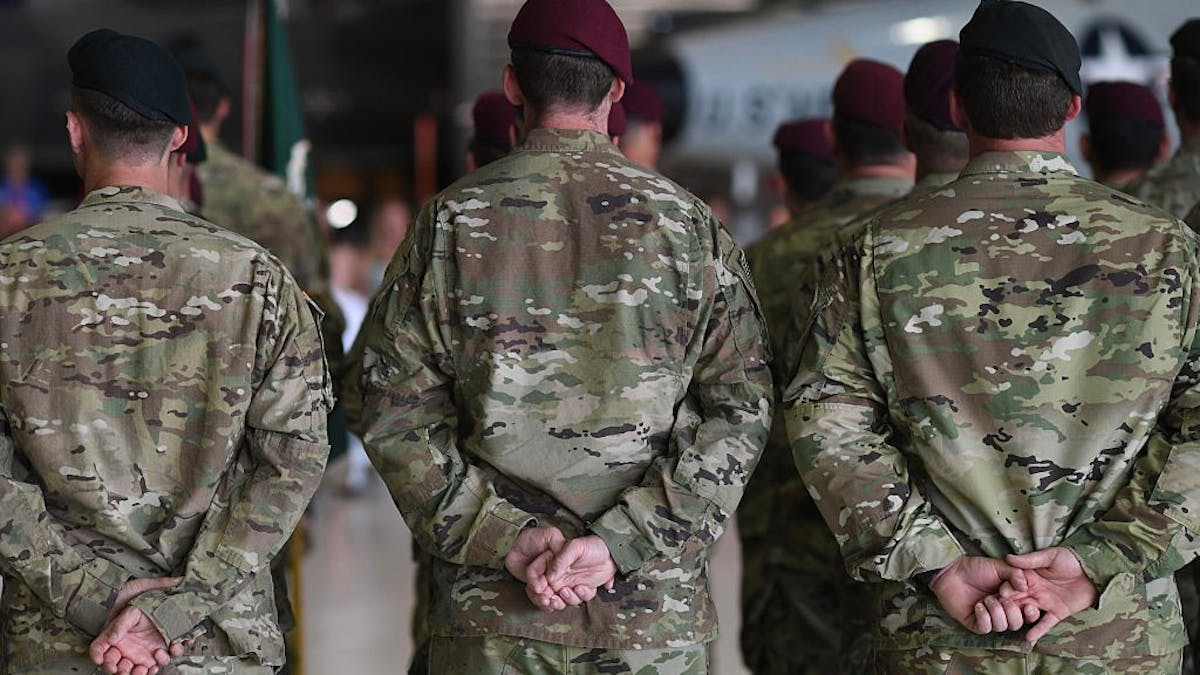
A U.S. Army Special Forces soldier who helped capture Venezuelan strongman Nicolás Maduro is now facing federal charges after being accused of turning that same operation into a six-figure payday on a prediction market.
Prosecutors say 38-year-old Gannon Ken Van Dyke used classified information tied to Operation Absolute Resolve, the covert mission that led to Maduro’s capture, to place a series of highly specific wagers on Polymarket.
Those bets, totaling roughly $33,000, were placed in late December and early January on specific outcomes, like whether U.S. forces would enter Venezuela and whether Maduro would be removed from power by the end of January. Hours after the operation concluded and Donald Trump publicly confirmed Maduro’s capture, those markets resolved in Van Dyke’s favor. The result: a profit of approximately $409,000, a staggering 1,200% return that immediately raised red flags.
“Prediction markets are not a haven for using misappropriated confidential or classified information for personal gain,” U.S. Attorney Jay Clayton said in announcing the charges. “The defendant allegedly violated the trust placed in him by the United States Government… all to turn a profit. That is clear insider trading and is illegal under federal law.”
Van Dyke, who was stationed at Fort Bragg, had signed nondisclosure agreements explicitly barring him from revealing or using sensitive operational details. Yet prosecutors claim he not only bet on those details, but moved quickly to cash out and conceal the proceeds, transferring funds to foreign cryptocurrency accounts and attempting to delete his trading account once scrutiny ensued.
He now faces multiple charges, including commodities fraud, wire fraud, unlawful use of confidential government information, and financial transaction violations. If convicted on all counts, Van Dyke could face decades in prison.
The case is believed to be the first major U.S. prosecution involving insider trading on a prediction market, a rapidly growing sector where users bet on real-world events, from elections to military conflicts.
Platforms like Polymarket operate in a gray area of finance and forecasting, often relying on publicly available information. But this case underscores a key vulnerability: what happens when the bettor has access to the outcome before the public does?
“This involved a U.S. soldier who allegedly took advantage of his position to profit off of a righteous military operation,” FBI Director Kash Patel wrote on X while indicating that the investigation is ongoing.
The broader implications stretch beyond one soldier. Prediction markets have already faced scrutiny for suspiciously timed bets tied to geopolitical events, including strikes on Iran and leadership changes abroad.
And as these prediction market platforms grow, the line between forecasting events and shaping — or exploiting — them is likely to draw even closer scrutiny.