Prisoners convicted on terrorism charges are ineligible for sentence-reducing credits, according to the Bureau of Prisons
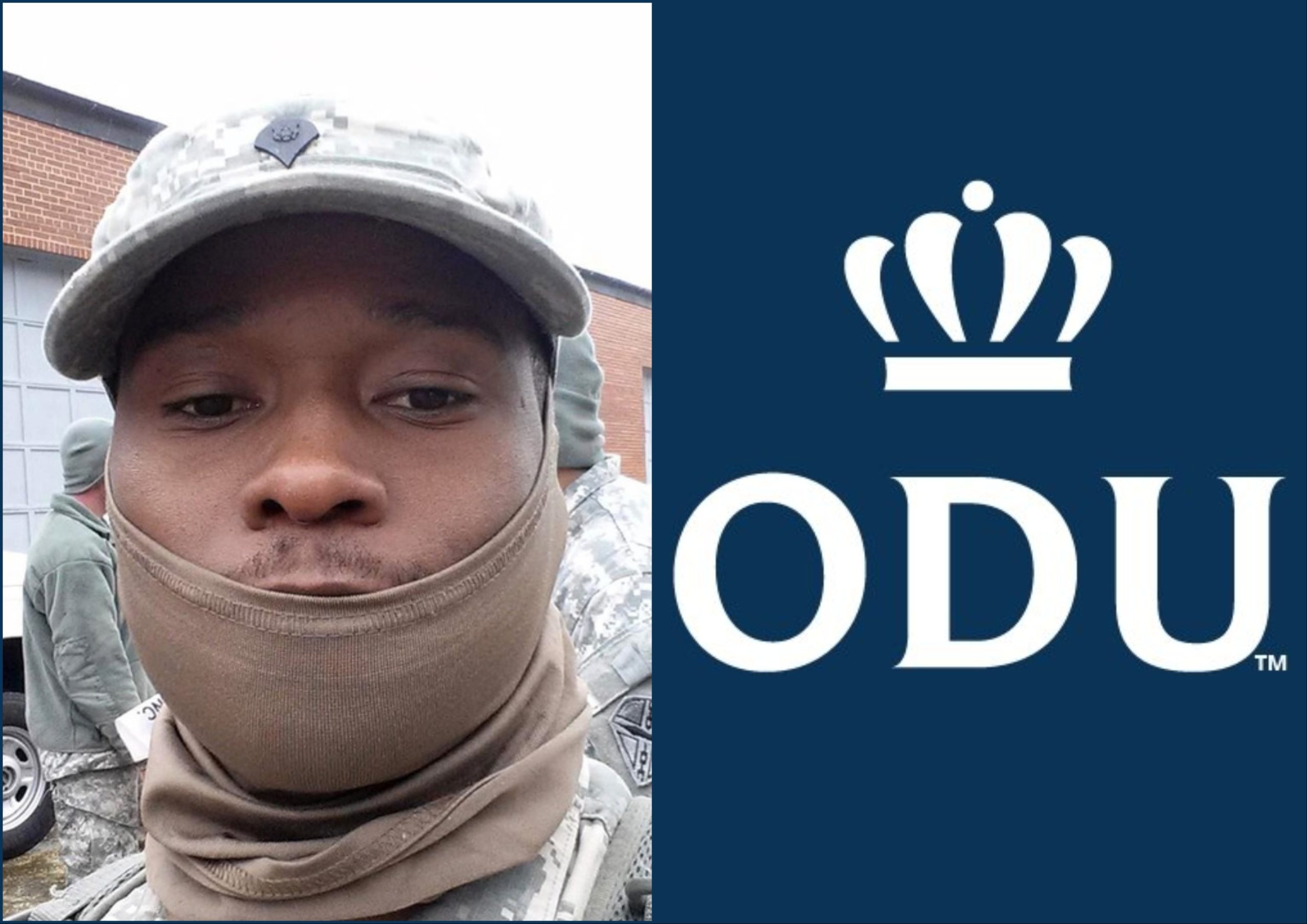
The gunman behind the deadly attack at Old Dominion University was released early from federal prison after completing a drug treatment program, even though his terrorism conviction would have made him ineligible for a sentence reduction, the Associated Press reported Friday.
Mohamed Bailor Jalloh, a 36-year-old naturalized U.S. citizen originally from Sierra Leone, pleaded guilty in October 2016 to attempting to provide material support to ISIS and was sentenced to 11 years in federal prison. But he was transferred to a halfway house in August 2024 and released from federal custody that December, the AP reported.
It’s not clear how Jalloh qualified for the drug program, which typically allows inmates to shave off up to a year off their sentences—prisoners serving time for terrorism-related offenses are typically ineligible for such programs or other sentence-reducing credits, according to the Bureau of Prisons.
Had Jalloh been forced to complete his sentence, he would have been imprisoned at the time he carried out his deadly attack. Jalloh, a former member of the National Guard, on Thursday shot and killed Lt. Col. Brandon Shah, an Old Dominion professor who headed the Virginia university’s Reserve Officers’ Training Corps (ROTC) program, and injured two others before ROTC students subdued and killed him. Jalloh shouted “Allahu Akbar” before opening fire, according to the FBI.
Jalloh was arrested in 2016 after telling an individual—who turned out to be an FBI informant—that he “thought about conducting an attack all the time, and that he was close to doing so at one point,” according to the Department of Justice. He’d been connected to the informant through a now-deceased ISIS terrorist he met during a six-month trip to Africa. Jalloh also told the FBI source he quit the National Guard after listening to online lectures by the deceased leader of al Qaeda in the Arabian Peninsula, Anwar al-Aulaqi.
The FBI referred the Washington Free Beacon to the Bureau of Prisons, which confirmed his early release date. The Justice Department did not respond to a request for comment.
The FBI’s Norfolk office released a statement Friday afternoon saying agents “are working around the clock” to gather more information about Jalloh and requested the public to come forward with any tips about him.
Update, 10:21 p.m.: This story has been updated to include confirmation of Jalloh’s release date by the Bureau of Prisons.