
Nausea, heartburn, indigestion, upset stomach — anemia?
Frequent sufferers of gastrointestinal symptoms may be doing more harm than good every time they reach for certain over-the-counter medications designed to relieve symptoms like acid reflux and heartburn.
A new study out of Brazil evaluated the impact of prolonged use of proton pump inhibitors (PPIs), the technical term for this range of medicines — and what researchers found was stomach-churning.

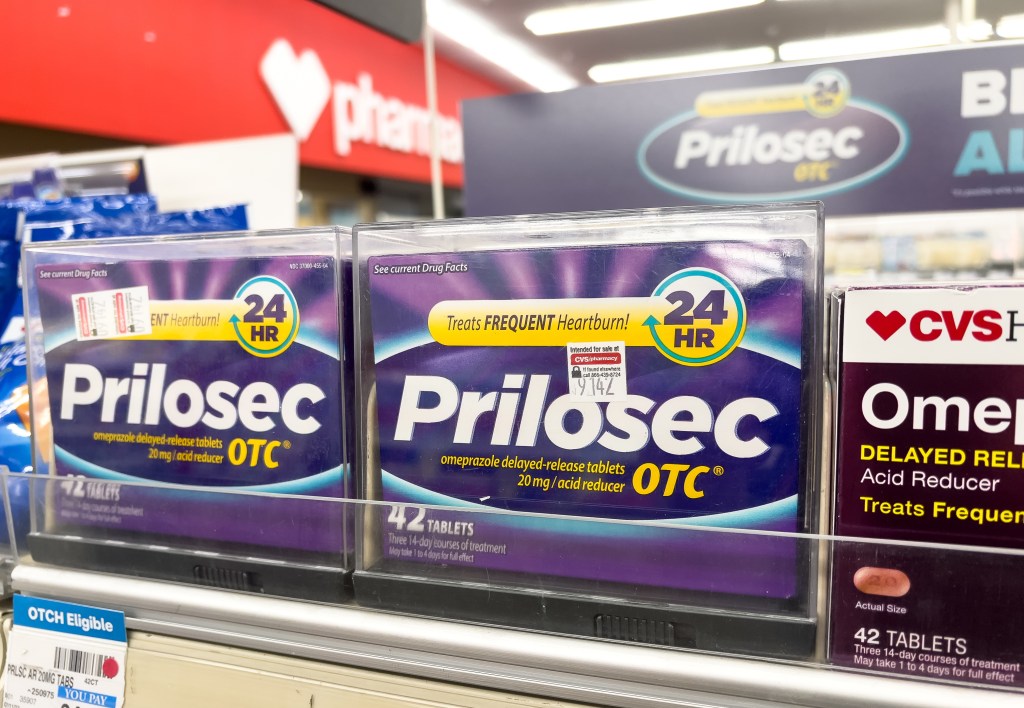
The most common PPIs are known by the brand names Prilosec, Nexium and Prevacid, which are widely available and generally come with warnings about length of use.
In the case of Prilosec, also known as omeprazole, it’s recommended not to exceed eight weeks of use and to discuss ongoing treatment with a doctor.
But researchers report that “chronic and unregulated consumption is frequently observed,” prompting them to pursue this study.
After treating a group of rats with PPIs over 10-, 30- and 60-day periods, the researchers paid close attention to the bioavailability of certain vitamins and minerals in the blood and organs, including iron, calcium, magnesium, copper, zinc and potassium.
Their analysis clearly showed the drug-treated rats had an impaired ability to absorb those nutrients. Among the greatest imbalances they observed were iron, copper and calcium levels — red flags for anemia and osteoporosis, with potential consequences like arrhythmia and chronic kidney disease.
This is likely due to the way PPIs were designed to work, and why they’re so effective for short-term symptom management.
To combat the irritating creep of acid reflux as well as other concerns like ulcers and gastritis, the authors noted that PPIs increase the pH of stomach acids and reduce hydrogen, which limits the body’s ability to absorb all the nutrients from what it’s consuming.
Stomach acidity plays an important role in not only absorbing nutrients, but keeping bad bacteria at bay. It’s for this reason that PPIs have also been associated with gut issues like bacterial overgrowth in the small intestine.
But the researchers also emphasize that controlled use of these drugs likely won’t lead to any big issues.
“It isn’t a question of demonizing the drug, which is effective for various gastric conditions,” said Andréa Santana de Brito, whose master’s research involved this study. “The problem is its trivialized use, even for mild symptoms such as heartburn, and for prolonged periods of months and even years. Its adverse effects shouldn’t be overlooked.”
Brazilian health authorities recently green-lit over-the-counter sales of a 14-day supply of 20 milligrams omeprazole. Santana de Brito fears this move might “encourage self-medication and continuous use, disregarding the recommendation to limit treatment to 14 days.”
The health agency has called it “a step forward in rationalizing its use and promoting its safe and responsible use.”
“By limiting treatment to a maximum of 14 days, the message that the drug should only be used to relieve mild and temporary symptoms is reinforced, encouraging patients to seek a medical evaluation if their symptoms persist or recur,” the agency added.
Similar dosage is available over the counter throughout the US. The Post reached out to a Prilosec rep for comment.
Acid reflux — the serious form is known as gastroesophageal reflux disease, or GERD — and heartburn are the result of stomach acids flowing back up through the esophagus. In more severe cases, this can cause damage to the lining of the esophagus.
Some occasional acid reflux or heartburn is common and generally doesn’t require medical intervention or treatment. Persistent symptoms should be evaluated by a doctor — the first stop shouldn’t be the antacid aisle at your local pharmacy.